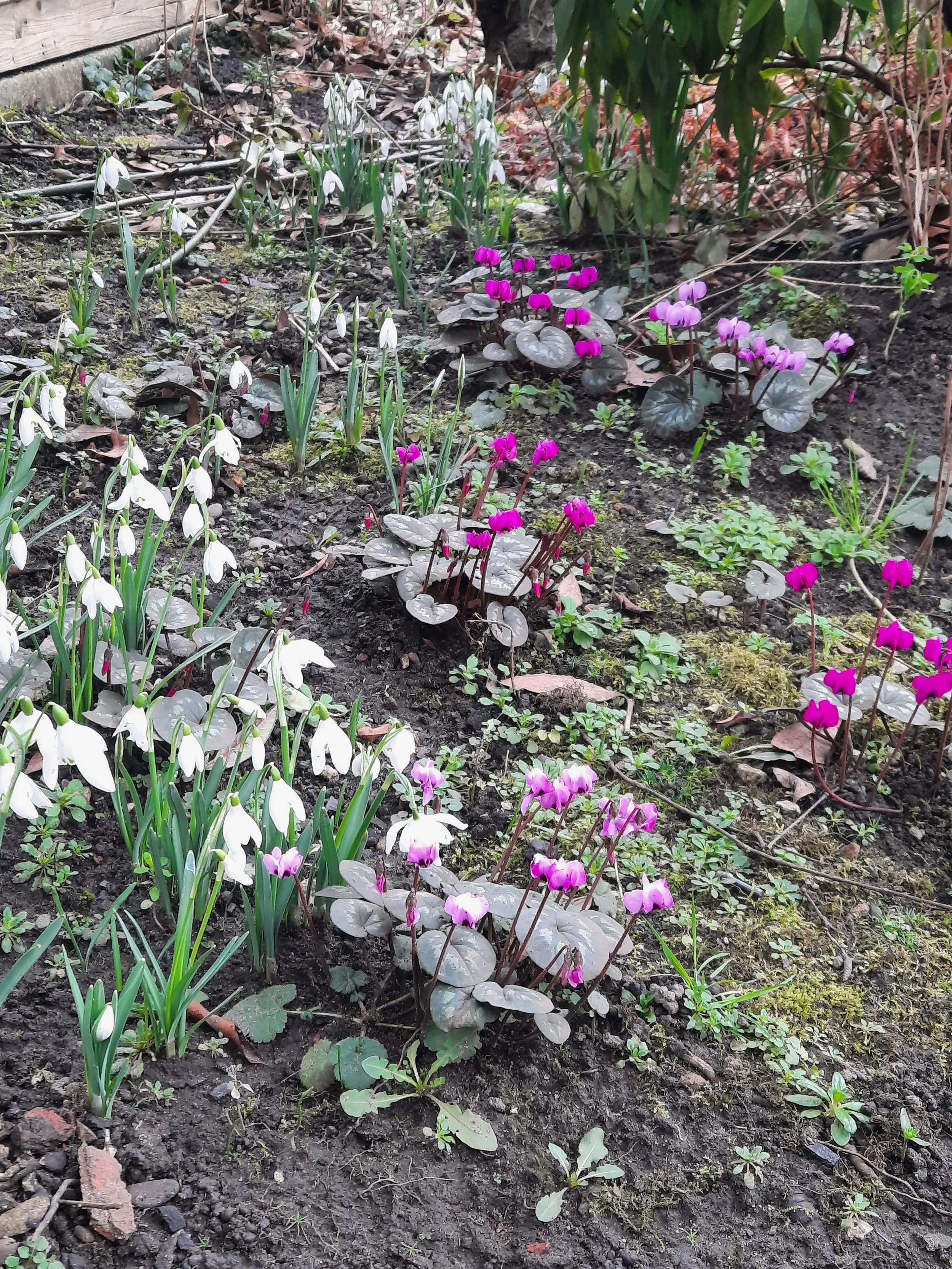
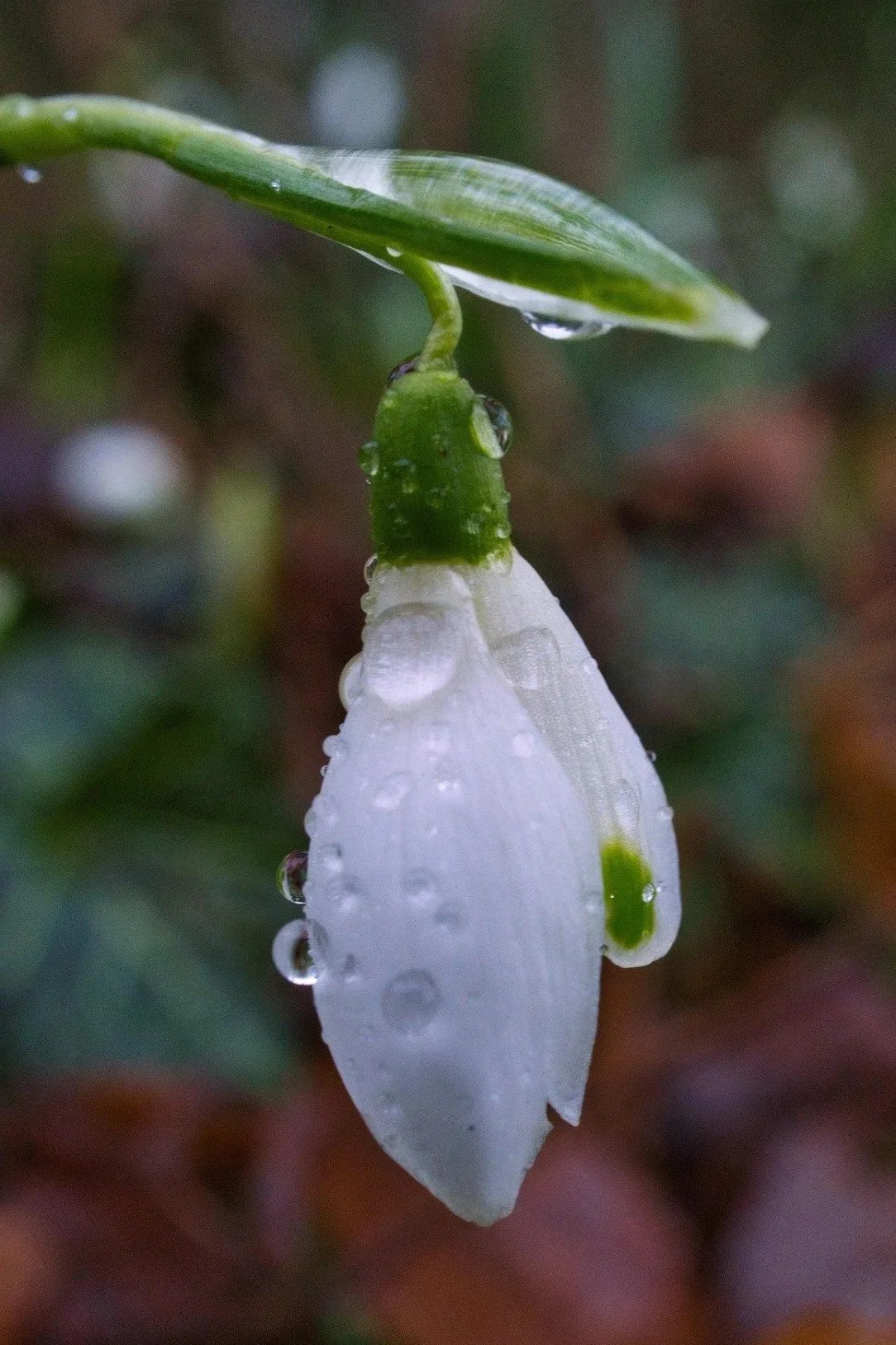
Well my friends, it has been so long since I wrote a blog post, that once again, I've forgotten the password to my website. So after a bit of security-induced stalling and brain-racking hacking, here we eventually are.
It's cold, gloomy and raining outside. I am feeling all cosy and accomplished after a long morning run, a large lunch and have absolutely no intention of venturing into my garden this afternoon. Or tomorrow.
As the years go by, I find myself getting better and better at withstanding the pressure of the various gardening journalists and horticulture social-media moguls with their hectoring monthly to-do lists. Let me reassure you; I can think of at least three things to steer clear of, for another month:
1. Keep off waterlogged lawns and beds
Walking on, or attempting to cultivate water-logged soil results in the compression of soil pores and air spaces. This compaction serves only exacerbate waterlogging and drainage problems. And above all, it makes a terrible mess. Keep off, stay away, and consider giving 'no-dig' strategies a go this year.
2. Don't plant anything, bare-root or otherwise, in waterlogged soil
I frequently fend off marketing emails urging me to buy and plant my bare-root shrubs. I'm not a fan of having cold wet feet, and neither are plants. Plant roots cannot respire in waterlogged soil, and effectively suffocate in the anaerobic conditions. Not a great start to life in a new location.
3. Don't cut back dead foliage
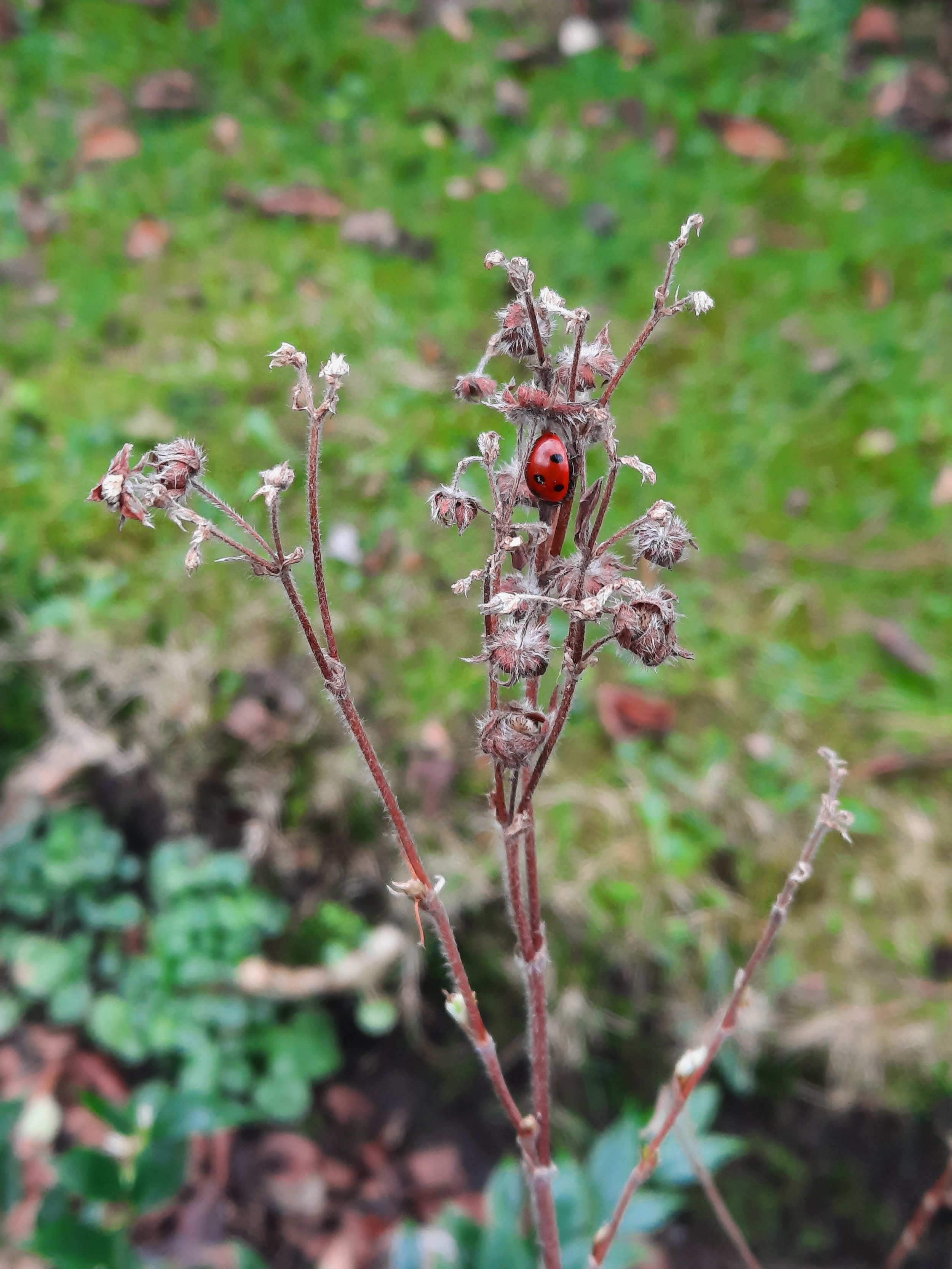
Resist the temptation to raze everything to the ground. Old seed heads can look amazing and provide an important food source for birds, whilst dried stems continue to serve as important habitat for beneficial organisms. If you think it's time to cut back dead foliage, consider a 'chop and drop' approach, cutting up the dead stems and dropping them in situ. This saves time and prevents further soil compaction by avoiding tramping back and forth to the compost bin. And since we've mentioned the compost bin, delay turning the compost for a few more weeks, to retain its heat and prevent disturbing any brumating worms.
So what am I doing to pay the bills in February?
Very sensible question, and of course, even gardeners need to eat in the winter, particularly if they happen to be marathon-training. I aim to visit all of my clients' gardens once in February, for a general check-up, see how the bulbs are progressing and to mull over a potential task-plan forthe coming year.
There are just three main tasks that I have on my to-do lists, weather-permitting:
That said, if the weather is truly awful, I also have an excellent ‘Plan B’ list. This involves jam-making, batch-cooking for the freezer and running up a few homemade bags, purses and cushion covers to sell in the autumn. I never entertain the idea of gardening if the weather steals the joy, irrespective of other people's to-do lists.